
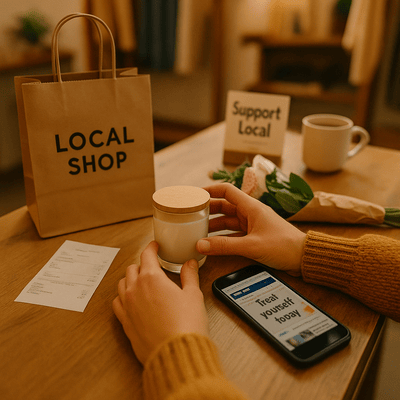
Retail Therapy Is Real—And It’s a Signal Local Media Sales Reps Shouldn’t Ignore
Retail therapy—the act of shopping to improve mood—is a scientifically supported behavior that offers emotional relief by restoring a sense of control, especially during times of sadness or stress. Research shows that the process of choosing and browsing, not just purchasing, triggers dopamine and serotonin, making consumers more receptive to emotionally resonant advertising. Local businesses, with their in-person experiences and human touch, are uniquely positioned to benefit from this behavior, especially when their ads emphasize comfort, self-care, and personal connection. For media sales reps, this presents a strategic opportunity to guide clients toward emotionally intelligent messaging and contextual ad placements. When done responsibly, advertising that aligns with retail therapy can drive results while supporting consumer well-being.

The LinkedIn Frequency Formula: What Local Media and Agencies Can Learn from Social Media's Sweet Spot
New research analyzing over 2 million LinkedIn posts reveals that posting 2-5 times weekly delivers +1,182 more impressions per post, with even greater benefits at higher frequencies, providing local media account executives and agency professionals a proven framework for building industry authority and generating leads. The frequency benefits apply regardless of account size, meaning local professionals see the same relative performance improvements as large accounts, while carousel posts generate 278% more engagement than videos. The research parallels traditional media principles where consistent presence builds cumulative brand recognition, giving media AEs concrete evidence for discussing frequency benefits with clients while building their own professional brands. For agency professionals competing on thought leadership, sustained LinkedIn presence creates compounding advantages in new business development, client retention, and talent acquisition that translate directly to revenue growth.

How Advertising Built a Legal Empire in Small-Town Minnesota
Bradshaw Bryant, a small-town Minnesota injury law firm, achieved market dominance by allocating 70% of its marketing budget to radio advertising, tripling their practice size in the first year and achieving 28% unaided brand awareness—133% higher than their nearest competitor. The firm's success demonstrates that traditional media's focus on long-term brand building creates sustainable competitive advantages that digital advertising's short-term conversion focus cannot replicate. This case provides a strategic blueprint for all traditional media—newspapers, television, outdoor advertising, and magazines—to demonstrate their continued value by emphasizing consistent exposure and trusted environments over digital platforms' fragmented attention. The success challenges Madison Avenue's digital-first approach and proves that "being known before you're needed" through patient, traditional media investment remains a powerful driver of long-term business growth.

Melinda Emerson and the Blueprint for Entrepreneurial Resilience
Melinda Emerson, known as SmallBizLady, transformed personal adversity into a national platform for empowering entrepreneurs through education, strategy, and community. After her first business faltered during a high-risk pregnancy, she pivoted to create SmallBizLady, launching bestselling books, a weekly Twitter chat, and a digital university. Her influence spans Fortune 500 consulting, mentorship of thousands, and pioneering efforts to make small business education accessible and inclusive. Emerson’s leadership blends authenticity, empathy, and tactical brilliance, while her personal style and reflections on legacy add depth to her public persona. Her story is a blueprint for resilience, reinvention, and building businesses that serve both purpose and people.

Mary Wells Lawrence and the Art of Advertising as Theater
Mary Wells Lawrence, the first woman to found and lead a major advertising agency, revolutionized Madison Avenue by blending theatrical flair with emotional storytelling. Her agency, Wells Rich Greene, created iconic campaigns like “I ♥ NY” and “Plop, plop, fizz, fizz,” turning brands into cultural touchstones. She believed advertising should feel like cinema—bold, visual, and deeply human—and used style as both strategy and statement. Despite facing industry sexism, health challenges, and the eventual closure of her agency, she remained a mentor, a visionary, and a relentless advocate for reinvention. Her legacy lives on in every ad that dares to be bold and every woman who dares to lead with both brilliance and elegance.

Sara Blakely: The Art of the Unseen Revolution
Sara Blakely, founder of Spanx, transformed a personal frustration with pantyhose into a billion-dollar brand by blending grit, humor, and outsider thinking. With no background in fashion or business, she taught herself patent law, pitched her product door-to-door, and earned Oprah’s endorsement, launching Spanx into national fame. Her success is rooted in empathy, authenticity, and a growth mindset that embraces failure as fuel. Blakely’s marketing strategy relied on storytelling over ad spend, and her leadership style fosters vulnerability, purpose, and resilience. Beyond business, she’s a philanthropist, adventurer, and prank-loving mom who believes joy and discomfort are both essential to growth.

Sophia Amoruso and the Rebellion That Built a Brand
Sophia Amoruso rose from a rebellious youth and eBay seller to build Nasty Gal, a fashion empire that redefined online retail and millennial branding. After facing bankruptcy and stepping away from her company, she transformed her setbacks into a cultural movement through Girlboss, empowering women with content, community, and candid storytelling. Her journey is marked by radical self-belief, vulnerability, and a refusal to be defined by failure. Amoruso’s influence helped shape the aesthetic and ethos of modern female entrepreneurship, blending authenticity, digital fluency, and emotional resilience. Today, she mentors founders, invests in startups, and continues to inspire through her creative rituals, reading habits, and unapologetic approach to reinvention.
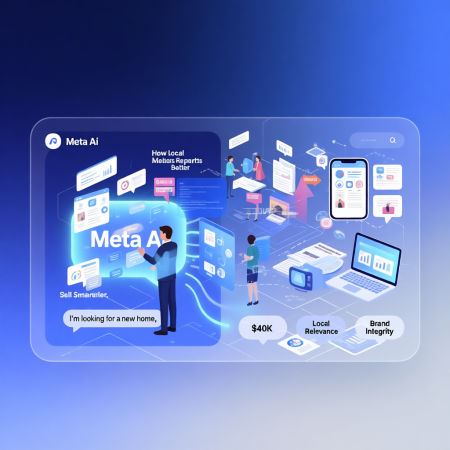
How Local Media Sales Reps Can Use AI to Sell Smarter, Faster, and Better
Artificial Intelligence is transforming local media sales by enhancing—not replacing—the human touch, allowing reps to prospect smarter, understand clients more deeply, and optimize campaigns in real time. By integrating AI tools into their workflow, reps can automate routine tasks, personalize content, and build stronger relationships with clients. A step-by-step guide helps reps begin with one tool, experiment, and scale thoughtfully, while a curated resource section offers tools and platforms for learning and growth. Looking ahead, trends like voice AI, predictive seasonal modeling, and AI-generated commercials will reshape how local media connects with audiences. Ultimately, AI empowers reps to become strategic artisans—blending data and empathy to sell with integrity and impact.
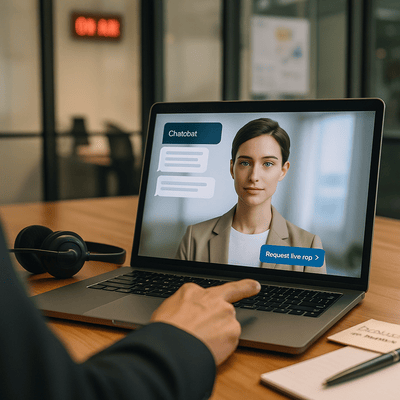
Chatbots in Media Sales: The Promise, the Practice, and the Pitfalls
Chatbots are AI-powered tools that simulate human conversation and are and will be increasingly used in media sales to automate lead generation, campaign planning, and customer support. Companies like Sephora, H M, and regional newspapers have successfully deployed chatbots to improve engagement and streamline ad operations. The benefits include 24/7 availability, scalability, and data collection, but drawbacks such as poor user experience, limited understanding, and brand risk remain significant. Experts emphasize the importance of using chatbots strategically, with clear escalation paths and human oversight. Ultimately, chatbots are best used as productivity enhancers—not replacements for authentic, human-driven media relationships.
Instant Money Makers Week of 8/25/2025
Fuel your week with these can’t-miss co-op deals!
• Polaris Factory Authorized Clearance Event! — Ride into savings with top-quality Polaris vehicles at unbeatable prices.
• Clopay Fall Rebate Event! — Upgrade your garage with amazing rebates on Clopay doors.
• Firestone Ag Harvest Ready Savings! — Keep your farm running smoothly with essential tires and equipment deals.
• Larson Fall Sale! — Protect your home with top-notch doors and entryways at great prices.
• Spartan Mowers Summer Sales Event! — Make yard work easier with powerful mowers on sale this week.
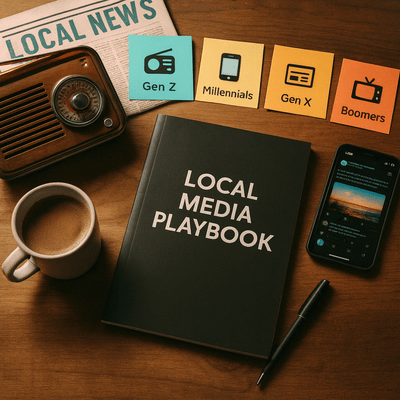
Selling in a Fragmented Media World: Why Local Media Still Wins Across Generations
In a fragmented media landscape, local media—including print, newspapers, radio, and digital—remains a trusted and effective tool across all age groups. Gen Z prefers mobile and social formats, Millennials engage with hybrid print-digital content, Gen X values cross-platform consistency, and Boomers rely heavily on traditional media. Print newspapers continue to deliver strong engagement, especially among older audiences, and are increasingly integrated with digital platforms to reach younger readers. Trust and credibility are key drivers of advertising impact, with local media outperforming national outlets in perceived reliability and community relevance. For media sales professionals and ad agencies, tailoring campaigns by age while leveraging the trust advantage of local media is essential for success.

The Emails That Miss the Point: Why Human Communication Still Wins in the Age of AI
AI can write emails and summarize meetings, but it cannot detect emotional nuance, disengagement, or the subtle signals that require human leadership. Strong communication—not automation—is what drives productivity, trust, and team cohesion, especially in high-touch industries like media and advertising. For local media sales reps and ad agency professionals, relying too heavily on AI risks weakening client relationships and team dynamics that depend on empathy, accountability, and real conversation. Smart leaders use AI to support their work—but they lead through human connection, not machine-generated messages.
From Fringe to Frontline: Podcasting’s Rise to New Revenue Path for Local Media and Agencies
Podcast advertising continues to outperform expectations, with Nielsen data showing strong lifts in brand awareness, purchase intent, and consumer engagement across nearly 2,000 case studies. Host-read ads are especially effective, with listeners rating podcast hosts as likeable, credible, and relatable—making brand endorsements feel authentic and trustworthy. The medium commands 19% of daily ad-supported audio time among U.S. adults, with even higher engagement among younger and Hispanic audiences. Local media companies, sales reps, and ad agencies can capitalize on this trend by launching community-focused podcasts and offering host-read ad packages to regional advertisers. As podcasting grows, it offers local professionals a powerful new channel for storytelling, brand building, and audience connection.

Fred Smith: The Maverick Who Delivered the World
Fred Smith, founder of FedEx, turned a college paper into a global logistics powerhouse. After serving in the Marine Corps and earning multiple honors in Vietnam, Smith launched Federal Express in 1973 with a bold idea: overnight delivery via a hub-and-spoke model. Despite early financial struggles—including a legendary blackjack win to cover fuel costs—Smith’s vision and discipline helped FedEx become the first U.S. startup to reach $1 billion in revenue within a decade.
He pioneered real-time package tracking and built a culture rooted in service, accountability, and innovation. Smith’s leadership style, shaped by military experience, emphasized clarity and empowerment. Personally, he was a devoted father of ten, aviation enthusiast, and philanthropist, turning down a second offer to serve as Secretary of Defense to be with his daughter in her final days.
Smith’s legacy offers timeless lessons: trust your instincts, build scalable systems, lead with empathy, and stay mission-focused. His story is a blueprint for entrepreneurs and sales professionals aiming to deliver impact with purpose.
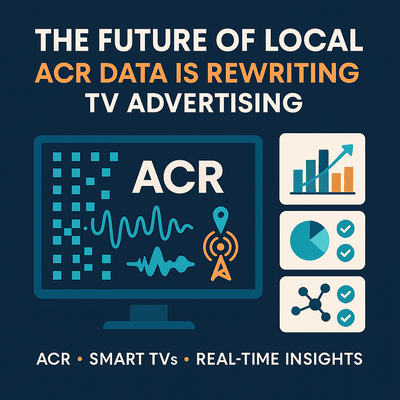
The Future of Local: How Data Is Rewriting the Story of TV Advertising
Automatic Content Recognition (ACR) is a technology embedded in smart TVs that identifies what content viewers are watching—across broadcast, cable, and streaming—by matching pixel or audio samples to a vast content database. This allows advertisers and local media reps to move beyond traditional ratings and gain precise, real-time insights into audience behavior and engagement. ACR empowers local advertising to evolve from broad media buying to data-driven strategy, enabling more targeted, measurable, and effective campaigns. It also democratizes access to advanced analytics, giving small businesses the same tools as national brands. As Keith Kazerman of Locality notes, “ACR allows us to truly understand the engagement that audiences are having across every screen,” marking a new era of precision and partnership in local media.