

Making Tough Decisions in An Era of Increasing Complexity
There is a sweet spot, however difficult to find, between analysis paralysis and “plunge-in bias.” Here’s how CEOs can withstand uncertainty and make their way through complex challenges sustainably. Complexity is the unsung nemesis of 2023 for CEOs. No matter the industry, economic uncertainty, wild supply chains, and the throes of digital transformation are making businesses more complex than ever before.

How self-awareness allows leaders to make a greater impact
Before my first undercover assignment, I was sent back to the Behavioral Science Unit at the FBI Academy for a series of psychological tests to determine my level of self-awareness. I was disappointed because I expected to learn how to scissor-kick in high heels to take down a guy twice my size. At least, that’s how movies portray it. Alas, not for the first time did I learn that movies are entertainment with a tenuous grasp on reality.

Make Better Decisions Faster: A Conversation with Paul Epstein
So I didn’t. The truth is, avoiding that hard decision and others like it cost me time, opportunity and cycles of unnecessary rumination and distraction. I learned that procrastinating a hard decision is actually a decision in and of itself. It also typically comes with a cost. Understandably, many of us hesitate when the stakes are high instead of being decisive. Or, in the words of Paul Epstein, a sports executive turned bestselling author and keynote speaker: We play defense when they should be playing offense.

From Dilemma to Deadline-A Sales Leader’s Decision-Making Blueprint
If you are a sales leader or sales manager, you struggle to get everything done. You want to work with your team, but you often find yourself being pulled into meetings and conversations that have no ability to help you reach your sales targets. It can be difficult to decide what gets your attention and what doesn’t deserve your time.

Sagacious Leaders Free Up Other’s Wisdom — For Free
Out of the mouths of babes. It’s an expression used when someone young or inexperienced says something surprising for its wisdom. Wisdom like this, the idiom implies, is usually the stuff of those who’ve been around a long time, weathered the storms, climbed the hills and hierarchies. “Leader” is the word we often use to describe them. Age and seniority can be helpful, yet these have far less to do with actual wisdom and impact than two more potent and often overlooked factors: exposure and asking questions.

The Next Generation is Watching You Lead. Here’s What They’re Learning
A recent discussion with a group of late millennial professionals led to some important insights about what the next generation wants to learn from their current leaders and what workplace experience they’re seeking. The group was remarkable in that they were all born in 1996, the last year of the millennial generation and have had life experiences that span major hallmarks of their generation and those of Gen Z.

A Sales Managers’ Role in Discovery Meetings
Discovery meetings are a vital tool for uncovering new business opportunities. In these conversations, sales managers and sellers have a unique chance to learn about potential clients, understand their challenges, and present solutions tailored to their needs. The key to an effective discovery meeting lies in the ability to ask thoughtful questions, actively listen, and establish genuine rapport.

Getting Past ‘We’ve Always Done It This Way’
(By Pat Bryson) I was on a market visit with one of my stations a few weeks ago. We were discussing how to sell a sports team whose games we carry. Traditional sponsorship offered the choice of day games or night games. Take your pick or buy both. There are many more night games than day games. Which one would you buy?

The Only 6 Reasons a Sales Manager Should be Attending Sales Calls with Their Team
Sales managers, let’s be honest… it’s hard to watch a salesperson that seems to be flailing in shallow water when they are on a prospect or client call. However, if you take a step back, you realize they are probably going to find their feet and be able to stand up and be fine.

How Authenticity Can Help Businesses Avoid the ‘Toxic Workplace’ Trend
It’s probably an understatement to say that so many aspects of the workplace have changed in the past few years. We’ve seen the ‘expectations pendulum’ dramatically swing – in everything from employees’ relationship to the workplace, to how they think about their wellbeing, and even more fundamentally than this, how work and life actually intersect.

4 Ways to Create a More Collaborative Culture
Whether it’s criticism, embarrassment or unresolved conflict, anything threatening credibility, self-worth or identity can trigger defensiveness. High-level leaders aren’t immune to wanting to shield themselves from vulnerability. The first form of self-protection is defensiveness. Rather than protecting the leader, defensiveness has the opposite effect: exposing insecurities and making the leader seem arrogant or unapproachable. Here are four ways leaders can stop being defensive and create a more collaborative culture.

7 Questions Every Leader Needs to Ask Their Direct Reports
It’s crucial for every successful leader to understand the motivations and drivers of their direct reports. The best leaders take the time to regularly check in with their team members and ask the right questions to gain valuable insights into how to support and motivate them.

4 Ways Sales Managers Can Empower Sellers with Confidence
We all know how important it is to prospect consistently and to do the work before you present so you are well-prepared every time you see a potential client. The business of sales is largely about being connective, highly relational, and consistently appearing helpful to potential clients until they think of you as “in their inner circle.”

Brilliant Leaders Know: You Don’t Have to Have All the Answers
Brilliant leaders recognize that having all the answers isn’t the key to success. Instead, they use inquiry and collaboration to discover insights and create effective solutions. Acknowledging their limitations and seeking others’ input, they nurture an atmosphere of growth, curiosity, and joint problem-solving.
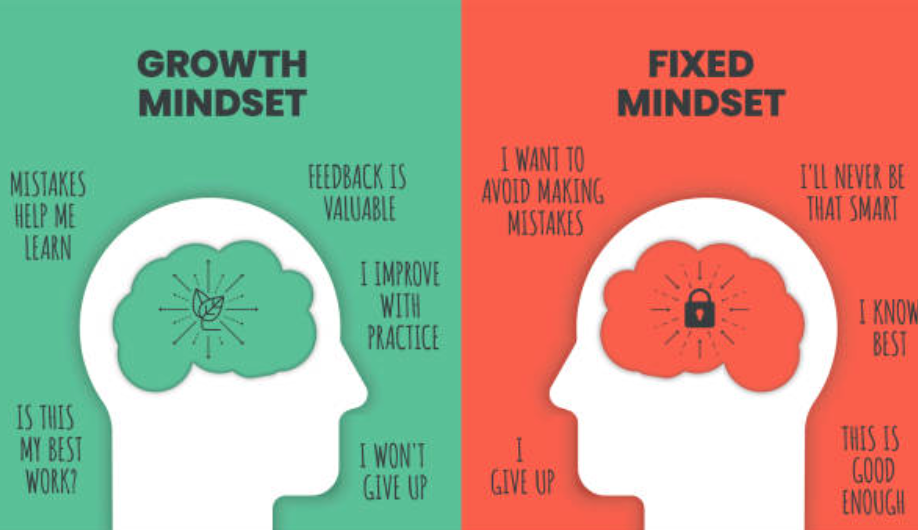
This is How Your Mindset is Affecting Your Leadership
As an executive leadership coach, I’ve witnessed the profound impact of mindset on leadership. Your mindset, whether it’s a growth mindset or a fixed mindset, plays a pivotal role in determining your effectiveness as a leader. In this blog post, we’ll explore the concept of mindset, its influence on leadership, and how you can harness the power of a growth mindset to enhance your leadership capabilities.