

Sophia Amoruso and the Rebellion That Built a Brand
Sophia Amoruso rose from a rebellious youth and eBay seller to build Nasty Gal, a fashion empire that redefined online retail and millennial branding. After facing bankruptcy and stepping away from her company, she transformed her setbacks into a cultural movement through Girlboss, empowering women with content, community, and candid storytelling. Her journey is marked by radical self-belief, vulnerability, and a refusal to be defined by failure. Amoruso’s influence helped shape the aesthetic and ethos of modern female entrepreneurship, blending authenticity, digital fluency, and emotional resilience. Today, she mentors founders, invests in startups, and continues to inspire through her creative rituals, reading habits, and unapologetic approach to reinvention.

Mastery and Self-Made Brian Tracy: The Complete Blueprint for Sales Success
From Charity Clothes to Global Influence: The Foundation Years
Brian Tracy transformed himself from a poverty-stricken high school dropout in Prince Edward Island into one of the world's leading success and sales authorities through systematic self-education and disciplined study of masters like Napoleon Hill and Dale Carnegie. He developed practical systems like the ABCDE priority method, the 10-goal system, and consultative selling techniques by treating real-world sales interactions as scientific experiments to refine his approach. His influence has reached millions across 58 countries through books, seminars, and audio programs that prove success comes from systematic daily habits and continuous learning rather than natural talent. Tracy's enduring legacy demonstrates that ordinary people can achieve extraordinary results by consistently applying his learnable systems for time management, goal-setting, and sales psychology.

Bill Bernbach: The Quiet Revolutionary Who Taught Ads to Speak Human
Bill Bernbach, co-founder of Doyle Dane Bernbach, revolutionized advertising by prioritizing creativity, honesty, and emotional storytelling over formulaic sales tactics. His campaigns—like Volkswagen’s “Think Small” and Avis’s “We Try Harder”—reshaped how brands connected with audiences by respecting their intelligence and appealing to human insight. Bernbach’s collaborative model between copywriters and art directors set the industry standard and empowered more inclusive voices in advertising. For today’s media sellers and agency professionals, his philosophy remains a powerful reminder: great ideas and emotional connection still drive results in a data-saturated world.

Jeff Bezos: From Garage Startup to Global Empire
Jeff Bezos founded Amazon in 1994 with a vision to build an online bookstore, but his relentless focus on customer obsession, innovation, and long-term thinking transformed it into a global tech and retail empire. From the early days in a Seattle garage to launching Amazon Web Services, Alexa, and acquiring The Washington Post, Bezos consistently pushed boundaries across industries. His leadership style—rooted in experimentation, operational excellence, and bold vision—helped Amazon redefine commerce, logistics, and cloud computing. Bezos’s journey offers powerful lessons in brand building, customer experience, and strategic risk-taking for marketers, media professionals, and entrepreneurs alike.

Sara Blakely: The Art of the Unseen Revolution
Sara Blakely, founder of Spanx, transformed a personal frustration with pantyhose into a billion-dollar brand by blending grit, humor, and outsider thinking. With no background in fashion or business, she taught herself patent law, pitched her product door-to-door, and earned Oprah’s endorsement, launching Spanx into national fame. Her success is rooted in empathy, authenticity, and a growth mindset that embraces failure as fuel. Blakely’s marketing strategy relied on storytelling over ad spend, and her leadership style fosters vulnerability, purpose, and resilience. Beyond business, she’s a philanthropist, adventurer, and prank-loving mom who believes joy and discomfort are both essential to growth.
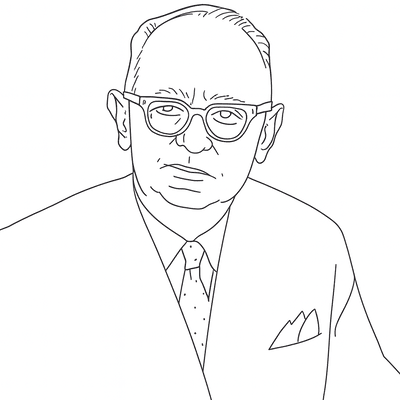
Leo Burnett: The Man Who Put a Pencil in His Mouth and Changed Advertising Forever
Leo Burnett, born in 1891 in Michigan, rose from humble beginnings to become one of the most influential figures in advertising history. He founded Leo Burnett Company in 1935 during the Great Depression and built it into a global powerhouse by championing emotionally resonant, character-driven campaigns like the Marlboro Man, Tony the Tiger, and the Pillsbury Doughboy. Known for his belief in the “inherent drama” of products, Burnett emphasized simplicity, sincerity, and storytelling in advertising. Despite early skepticism and economic adversity, he built a legacy rooted in trust, creativity, and consumer connection. His philosophy—“Make it simple. Make it memorable. Make it inviting to look at. Make it fun to read.”—continues to shape the industry today.
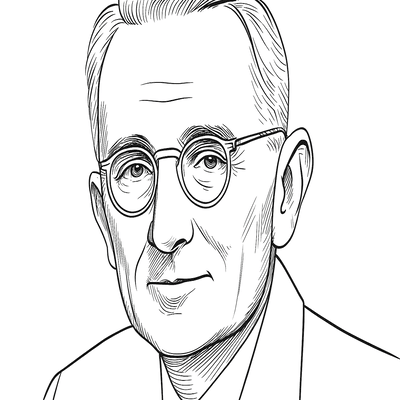
Dale Carnegie: The Man Who Sold Confidence to the World
Dale Carnegie’s journey from farm boy to global authority on communication offers timeless lessons for anyone in advertising or media sales. His story reveals how empathy, listening, and relationship-building—not just data or persuasion—drive real influence and long-term client trust. Carnegie’s principles, like making others feel important and speaking in terms of their interests, are directly applicable to pitching, negotiating, and retaining clients in today’s competitive media landscape. Reading his story isn’t just inspiring—it’s a masterclass in the human side of selling that every ad professional should revisit.

Barry Diller: The Visionary Who Rewrote the Rules of Media
Barry Diller is a transformative figure in media, known for pioneering innovations like the made-for-TV movie, launching the Fox Network, and building digital empires through IAC and Expedia. His career exemplifies bold risk-taking, strategic foresight, and a deep understanding of audience behavior. Diller’s leadership style—curious, decisive, and empowering—has influenced generations of media professionals. For ad agencies and media sales AEs, his journey offers actionable lessons in innovation, platform thinking, and visionary leadership.

Melinda Emerson and the Blueprint for Entrepreneurial Resilience
Melinda Emerson, known as SmallBizLady, transformed personal adversity into a national platform for empowering entrepreneurs through education, strategy, and community. After her first business faltered during a high-risk pregnancy, she pivoted to create SmallBizLady, launching bestselling books, a weekly Twitter chat, and a digital university. Her influence spans Fortune 500 consulting, mentorship of thousands, and pioneering efforts to make small business education accessible and inclusive. Emerson’s leadership blends authenticity, empathy, and tactical brilliance, while her personal style and reflections on legacy add depth to her public persona. Her story is a blueprint for resilience, reinvention, and building businesses that serve both purpose and people.

Joe Girard: The Spark That Sold the World
From the Streets of Detroit to the Guinness Book of World Records
Joe Girard, born to Sicilian immigrants in Detroit's impoverished east side, overcame an abusive childhood to become the world's greatest salesman, selling more retail cars than anyone in history for 12 consecutive years. Influenced by Dale Carnegie, Vince Lombardi, and Napoleon Hill, Girard built his success on relentless personalization, fanatical follow-up that generated 65% of sales from referrals, an unmatched work ethic, and deep empathy that focused on solving customer needs rather than pushing products. His methods—including the 250 Rule and systematic relationship building—translate perfectly to modern media sales, where success still depends on human connection over digital metrics. His legacy proves that in an age of automation, the fundamentals of genuine care, consistent follow-up, and serving others remain the true differentiators for extraordinary sales results.

Napoleon Hill: The Architect of Modern Success Philosophy
From Poverty to Global Influence - The Man Who Transformed How the World Thinks About Success
Napoleon Hill, born into poverty in rural Virginia, rose to global prominence by pioneering the modern philosophy of success through his groundbreaking work,
Think and Grow Rich. His life changed after a pivotal meeting with Andrew Carnegie, who challenged him to study and distill the habits of 500 of the most successful people of the era. Hill’s research led to the creation of 17 principles of achievement, including Definiteness of Purpose, the Mastermind Principle, and Applied Faith—concepts that remain foundational in personal and professional development. His teachings are especially relevant to media sales and ad agency professionals, offering strategies for goal setting, resilience, collaboration, and client success. Hill’s legacy endures as a blueprint for turning adversity into advantage and ambition into achievement.
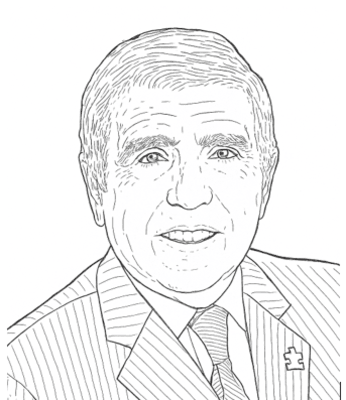
Mel Karmazin: The Relentless Deal-Maker Who Reshaped Radio
Mel Karmazin was a transformative force in American media, known for turning radio and satellite broadcasting into high-profit, advertiser-driven platforms. Rising from humble beginnings in Queens, he built Infinity Broadcasting, led CBS and Viacom, and later revolutionized SiriusXM by bringing in Howard Stern. His relentless focus on ratings and revenue, combined with a deep respect for talent, made him a standout leader in a creative industry. Karmazin’s story is a masterclass in sales-driven leadership, adaptability, and operational excellence. His legacy offers powerful lessons for today’s media sellers and agency leaders navigating a rapidly evolving landscape.
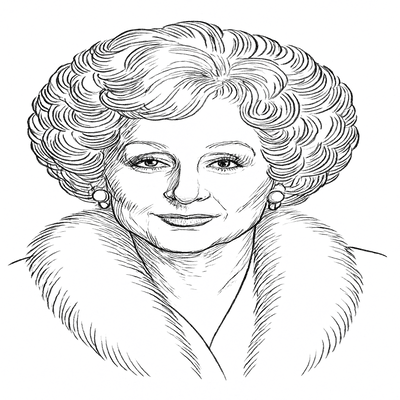
Mary Kay Ash – The Woman Who Empowered Millions Through Sales
Mary Kay Ash turned rejection into a revolution, building one of the most successful sales organizations in the world by focusing on recognition, belief, and the power of human connection. Her methods — making clients feel important, celebrating team wins, and selling with empathy — are timeless principles that apply directly to media sales and advertising. In a world where agencies and media reps fight for attention, her model reminds us that value isn’t just in the product — it’s in how we serve, listen, and lead. Mary Kay didn’t just teach people to sell — she taught them to believe, and that’s what built a billion-dollar brand.

The McDonald Brothers and the Making of McDonald’s: A Story of Innovation, Ambition, and Transformation
Richard and Maurice McDonald revolutionized the food industry in the 1940s by creating the “Speedee Service System,” a streamlined, assembly-line approach to fast food that emphasized speed, consistency, and affordability. Their innovative model caught the attention of Ray Kroc, a milkshake machine salesman who saw the potential to scale the concept nationwide. After partnering with the brothers and eventually buying them out, Kroc transformed McDonald’s into a global empire through aggressive franchising, operational standardization, and strategic real estate investments. While the McDonald brothers laid the foundation, it was Kroc’s vision and ambition that turned McDonald’s into one of the most recognizable brands in the world. Their story offers powerful lessons in innovation, branding, and the complexities of business partnerships.

Rupert Murdoch: The Architect of Modern Media Power
Rupert Murdoch is a transformative figure in global media, known for building one of the most powerful and controversial media empires in history. From inheriting a small Australian newspaper to founding Fox News and acquiring The Wall Street Journal, he reshaped journalism, politics, and entertainment across continents. Murdoch’s unique blend of editorial influence, aggressive business tactics, and strategic risk-taking set him apart from traditional media owners. Despite facing scandals and criticism, his legacy endures as a blueprint for media dominance and disruption. His story offers valuable lessons in vision, resilience, and the power of owning the narrative.